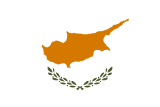
Why Study in Cyprus?
- ✓Full EU member state since 2004, offering degrees recognized across the European Union
- ✓English is the primary medium of instruction at most private universities
- ✓Tuition and living costs are generally lower than the UK, Germany, or other Western European destinations
- ✓Compact university towns with a growing South Asian and Pakistani student community
- ✓Mediterranean climate and a relatively short flight connection from Pakistan via Gulf hubs
Quick Facts
Why Choose Cyprus for Your Higher Education?
- •MENTISGO works directly with established private universities in the Nicosia area for transparent, verifiable admissions
- •Straightforward, EU-aligned visa documentation process compared to some non-EU destinations
- •Business, IT, and health sciences programs taught in English with practical, industry-oriented curricula
- •Smaller class sizes and more accessible entry requirements than larger Western European markets
Education System in Cyprus
Cyprus follows a European-style higher education structure aligned with the Bologna Process. Private universities in Nicosia offer English-taught bachelor's and master's degrees recognized across the EU, with credit systems compatible with ECTS transfer standards.
| Program Level | Average Duration |
|---|---|
| Foundation / Pathway Program | 6–12 months |
| Bachelor's Degree | 3–4 years |
| Master's Degree | 1–2 years |
| PhD | 3+ years |
Top Universities in Cyprus
University of Nicosia
City: Nicosia | QS Ranking: MENTISGO Official Partner University
University of Limassol
City: Nicosia | QS Ranking: MENTISGO Official Partner University
Frederick University
City: Nicosia | QS Ranking: MENTISGO Official Partner University
Popular Study Programs
Admission Requirements
English Language Requirements
Application Intakes & Timelines
Fall Intake
September (primary intake, applications typically open February–July)
Spring Intake
February (secondary intake with more limited program availability)
Tuition Fees Breakdown
| Level of Study | Estimated Fee Range |
|---|---|
| Bachelor's Degree | €6,000 – €9,000 per year |
| Master's Degree | €7,000 – €10,000 per year |
| MBA | €9,000 – €12,000 per year |
Cost of Living
| Expense Item | Average Cost |
|---|---|
| Shared Accommodation | €250 – €400/month |
| Food & Groceries | €150 – €250/month |
| Local Transport | €30 – €50/month |
| Utilities & Internet | €60 – €100/month |
| Miscellaneous | €50 – €100/month |
Scholarships & Funding Options
Merit-Based Tuition Reduction
University of NicosiaUp to 10–25% tuition reduction based on prior academic performance
Academic Excellence Grant
Frederick UniversityPartial tuition waiver for high-achieving applicants, assessed case by case
Student Visa Process
- University acceptance letter
- Valid passport with sufficient validity
- Proof of sufficient funds (bank statement or sponsor affidavit)
- Health insurance covering the duration of stay
- Academic transcripts and certificates
- Passport-sized photographs and completed application forms
Work While Studying
Post-Study Work Opportunities
Permanent Residency (PR) Pathways
Accommodation & Student Housing
Healthcare & Insurance Requirements
Student Life, Safety & Climate
Career & Employment Opportunities
Why Choose MENTISGO?
Personalized Counselling
Accurate academic profiling aligned with your long-term goals.
University Selection
Evaluation of academic marks against 500+ global partner institutions.
Application Support
Complete submission mapping and review of SOPs and references.
Scholarship Guidance
Guidance on fully-funded government programs and university merit discounts.
Visa Assistance
Certified visa case compilation and submission guidance.
Pre-Departure Briefing
Preparation guidelines on travel requirements, insurance, and accommodation.
Frequently Asked Questions (FAQs)
Q. Is Cyprus part of the Schengen Area?
No. Cyprus is a full European Union member state but is not currently part of the Schengen Area. This means Cyprus has its own separate visa and border procedures distinct from Schengen countries, and a Cyprus student visa alone does not grant Schengen travel rights.
Q. Does an EU degree from Cyprus hold value for Pakistani students?
Yes. As an EU member state since 2004, degrees from registered Cyprus universities are recognized within the EU's Bologna Process framework, which supports academic credibility for further study or employment applications.
Q. How much money do I need to show for a Cyprus student visa?
You must demonstrate sufficient funds to cover tuition fees and a full year of living expenses, per Cyprus immigration requirements. Exact figures vary and should be confirmed with your specific university and the Cyprus Civil Registry and Migration Department.
Q. Are degree programs in Cyprus taught in English?
Yes, at the private universities MENTISGO partners with — University of Nicosia, University of Limassol, and Frederick University — the majority of programs are taught in English, though Greek and Turkish remain the country's official languages.
Q. Can I work part-time while studying in Cyprus?
Work rights for international students in Cyprus are limited under current regulations. Prospective students should not plan their finances around part-time work income and should confirm current rules directly with their university before enrolling.
Q. What is the cost of living in Cyprus compared to the UK or Europe?
Cyprus is generally more affordable than the UK, Germany, or Northern Europe, with typical monthly living costs of €500–€700, though this is still a real expense that should be budgeted carefully.
Q. When can I start my studies in Cyprus?
Most programs have a primary intake in September, with a smaller Spring intake in February offering more limited program availability.
Q. Are there scholarships available for Pakistani students in Cyprus?
Some Cyprus universities offer merit-based partial tuition reductions for strong academic profiles. Fully-funded scholarships are limited and not guaranteed; specific scholarship terms should always be confirmed directly with the university.
Q. Is Cyprus safe for international students?
Cyprus generally has low crime rates and is considered a safe country for international students, though standard personal safety practices are always recommended.
Q. Will I need health insurance in Cyprus?
Yes. International students are typically not automatically covered under Cyprus's national GESY healthcare system and must arrange private health insurance, usually costing €150–€300 per year.
Q. Is there a post-study work visa in Cyprus?
Cyprus does not offer an extensive dedicated post-study work visa. Remaining in Cyprus after graduation generally requires securing an employer willing to sponsor a work permit, which is not guaranteed.
Q. What English test scores do I need for Cyprus universities?
Requirements typically range from IELTS 5.5–6.0, though some universities accept a Medium of Instruction (MOI) letter if your prior education was conducted in English. Always confirm the specific requirement with your chosen university.
Q. Is Cyprus a good fit for Pakistani students culturally?
Cyprus has a smaller but steadily growing South Asian and Pakistani student presence, mainly around Nicosia. Students should expect a more modest international community compared to larger study destinations, and should approach the move with realistic expectations.